Project Vision and Context. The Surakshit Bharat Abhiyan (SBA) is the strategic sequel to Swachh Bharat Mission (SBM), extending national objectives further to a comprehensive safety, security and loss prevention nationalistic culture and a mission towards propelling a socio- cultural- economic national value (Suraksha Sanskaar). The goal is to evolve India from a nation that reacts to incidents (crime, disaster, cyber) into a Proactive and Resilient Nation by systematically reducing national and citizen vulnerabilities across physical, digital, natural and socio-economic domains.
Concepts
- Safety, Security & Loss Prevention (SSLP) Consciousness amongst citizen of India.
- Safety, Security And Loss Prevention Framework of India.
- Gross Domestic Loss Prevention (GDLP) Index as an Alter Ego of Gross Domestic Production (GDP) Index.
- GDLP Credits And Incentives (Loss Prevention Linked Incentives).
The Safety, Security and Loss Prevention (SSLP) Framework India, is designed to introduce a national-level strategy to measure the Gross Domestic Loss Prevention (GDLP) Index as a parallel growth matrix to the GDP, and respond accordingly; aserting the doctrine that preventing losses at every level of society directly contributes to national growth. The SSLP is a strategic initiative designed to align India’s national security interests with its broader economic and sustainable development goals. Recognizing that unchecked losses; whether they stem from physical insecurity, crimes and cyber threats, terrorism, negligence or sabotages, natural disasters or economic frauds, have a significant negative impact on the nation’s GDP Index, wherein the concept of GDLP counters this regression through a positive holistic approach to preventing economic losses; hence shoring up GDP. The transformative Surakshit Bharat Abhiyan builds upon the successes of the Swachh Bharat Abhiyan, India’s flagship mission that transformed hygiene and sanitation across the nation, to achieve ViksitBharat@2047.
Success Drivers And Targets. The initiative, rooted in the belief that national security begins with citizen engagement, emphasizes.
- Citizen Vigilance. Individuals are encouraged to be the first line of defense in identifying, reporting and responding to risks, losses or disruptive activities.
- Community Safety Networks. Community-based SSLP initiatives that foster cooperation between the Administration and citizens.
- Loss Prevention Awareness, Education and Training. Promoting the idea that every SSLP incident has a cascading adverse effect on Nation Building.
Strategic Impact. SBA aligns security culture with national goals, offering a significant governance and economic dividend.
- Economic Benefit. A 0.1% GDLP would translate to ~Rs. 35,000*/- Crores of National Economic Value saved through SSLP method. (*GoI/PIB bulletin 06 July 2025/RBI Governor)
- Social Outcome. Measurable increase in the overall Socio-economic Perception Index (SPI)
- Viksit Bharat 2047. Institutionalizes a proactive, multi-sectorial safety, security and loss prevention culture, transforming India into a Resilient Nation and providing a key Governance Dividend.
Strategic Pillars of the Surakshit Bharat Abhiyan. SBA drives behavioral change and builds institutional capacity through three interconnected domains.
| Domains | Focus Area | Key Initiatives (Action Items) |
| I. National Infrastructure, Physical & Environmental Security, Vas, VPs | Railways, Dams, Road, Fire, Public Space, Disaster Preparedness, public Infra, National assets & property | Promote widespread SSLP practice. |
| Citizen vigilance and responsiveness to avert terrorist attacks, rail sabotages, dam overflows. | ||
| Deploy 100,000 Suraksha Mitras. | ||
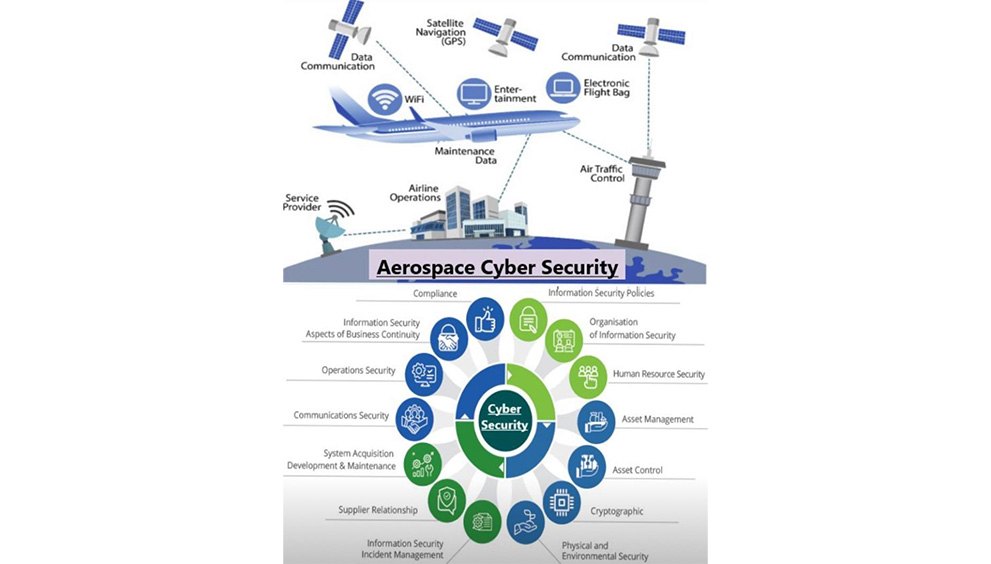
| II. Digital & Cyber | Misinformation, cyber fraud, data privacy, digital payment safety. | Mandated digital hygiene curriculum. |
| Nationwide Cyber Suraksha Pledge. | ||
| Establish Booth-level Citizen’s Cyber Awareness Cells. (SSLP Seva Kendras by volunteers) | ||
| III. Civic, Socio-Economic Resilience | Civic discipline, Financial literacy, crime prevention, elderly children, anti-narcotics, anti – social, | Dedicated community policing desks. |
| Conduct SSLP Resilience Camps in 150,000 Gram Panchayats. |
Implementation and Monitoring. The strategy replicates the SBM/Swachh Survekshan model for competitive measurable outcomes.
- Structure. Establish a SBA Mission Directorat under the PMO/Cabinet Secretariat for robust coordination across Ministries.
- Monitoring. Launch Surakshit Survekshan (GDLP Index) to rank States/Districts based on performance metrics (e.g., accident rate reduction, cyber incident reporting, training completion, economic losses prevented of national assets and public infrastructure).
- Financing Breakdown. Rs. [*] Crore outlay allocated primarily for (i) Performance Grants to States (50%), (ii) National Technology Platform/Dashboard (20%), and the (iii) Information, Education, and Communication (IEC) campaign (30%).
- Suggested roll-out plan
| Decision Required | Financial Outlay (Initial 3 Yrs.) | Implementation Model | Timeline (Phase I) |
| Approval for launch of SBA as a Centrally Sponsored Scheme for 3-year rollout (April 2026 – March 29). | Rs. [*] Crore (Leveraging existing Ministry budgets). | Jan Bhagidari Model (SBM Successor). | 36 Months (Foundation & Pilot in 250 Districts). |