Surakshit Bharat: Your Role in Securing the Blast Site
- Loss Prevention: Clear the Site!
- STOP CROWDING! The Peril of Secondary Blasts and Delayed Relief
- The Deadly Danger of Curiosity: Keep Away from Blast Sites
- Be a Helper, Not a Hindrance: Post-Blast Etiquette
A word of caution from a professional. Credits to this NSG Commando,
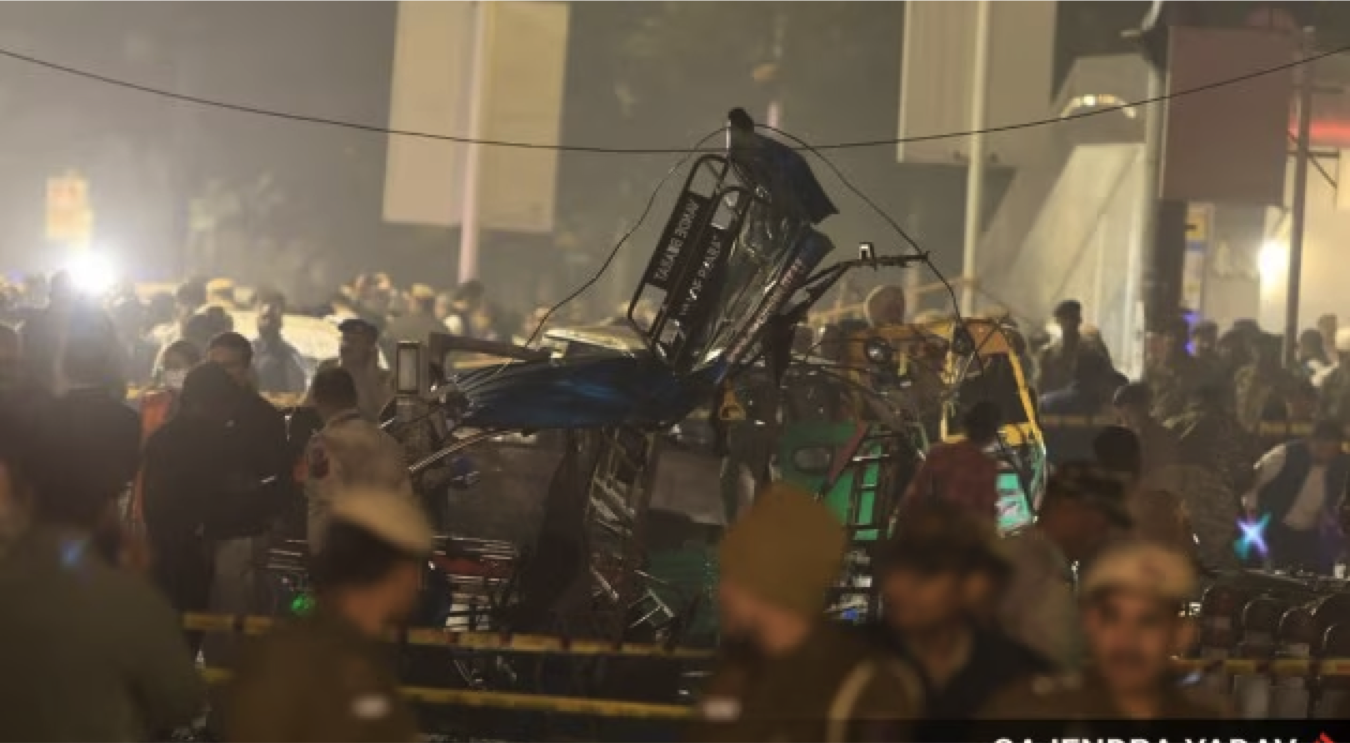
Following the tragic blast near the Red Fort, the immediate crowding of curious onlookers is a serious violation of Surakshit Bharat Abhiyan principles and basic loss prevention.
This practice is highly dangerous for two key reasons:
- Secondary Blast Risk: Security experts warn that a secondary explosive device may be timed to target the rescue teams and the immediate post-disaster crowd, leading to exponentially higher casualties.
- Hampers Relief: Unnecessary crowds create gridlock, blocking essential access for ambulances, fire tenders, and rescue teams (NDRF/SDRF). Every blocked minute is a delay in providing critical care to the injured, directly impacting the survival rate.
Our collective responsibility is to evacuate immediately and stay clear of the blast site. By doing so, we ensure a faster, safer, and more effective professional disaster response, truly upholding the value of loss prevention and community safety.
Do your part: Move away and let the professionals work!
Here are the key Do’s and Don’ts for the general public following a man-made disaster like a bomb blast:
DOs (Actions to Take)
| Action | Reason |
| Evacuate Immediately | The primary goal is to move away from the danger zone. Assume there is a secondary device designed to target first responders and initial crowds. |
| Move to a Safe Distance | Get to a protected area far away from the blast site, damaged structures, and debris. A safe distance is often recommended as at least twice the height of the tallest damaged building nearby. |
| Report Suspicious Items | If you see any unattended objects (bags, briefcases, vehicles, etc.) near the blast site or in evacuation areas, do not touch them. Immediately report the location to the police or security personnel. |
| Contact Emergency Services | Dial the national emergency number (112 in India) and provide clear, brief details about the location, what happened, and if you see injured people, then wait for instructions. |
| Follow Official Instructions | Pay attention to announcements from police, fire, and emergency services. Follow their directions for evacuation routes and safe assembly points. |
| Provide Basic First Aid | If you are trained and the immediate area is confirmed safe by authorities, help the injured only to the extent of moving them out of immediate danger or applying simple hemorrhage control. Your personal safety comes first. |
| Check for Injuries | Assess yourself and others for injuries. Put on sturdy shoes to protect your feet from broken glass and debris. |
| Use Communication Sparingly | Use phones only for emergencies to avoid overloading communication lines that are critical for rescue teams. Use text messages or social media to inform family/friends you are safe. |
DON’Ts (Actions to Avoid)
| Action | Reason |
| Do Not Rush the Site | Never approach the blast site out of curiosity. This is the most critical violation. It exposes you to the secondary blast risk and severely hampers the movement of ambulances and rescue teams (NDRF/SDRF). |
| Do Not Touch Anything Suspicious | Do not touch, kick, or move any unknown object, as it could be a secondary explosive device or a booby-trap. |
| Do Not Spread Rumours | Avoid posting or sharing unverified information, photos, or videos on social media, as this causes panic and interferes with the official response efforts. |
| Do Not Enter Damaged Buildings | Damaged structures are unstable and at risk of collapse due to aftershocks or secondary explosions. |
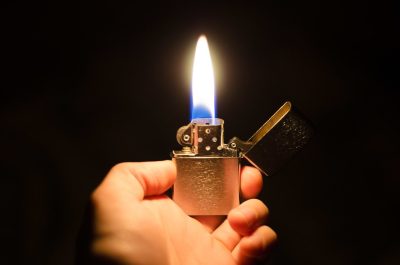
| Do Not Turn on Electrical Switches | Avoid using switches, lights, or even lighters, as broken gas lines could be present, posing a risk of fire or secondary explosion. |
| Do Not Enter Contaminated Zones | Stay clear of dust clouds or areas with chemical smells, as the explosion may have released hazardous materials. |