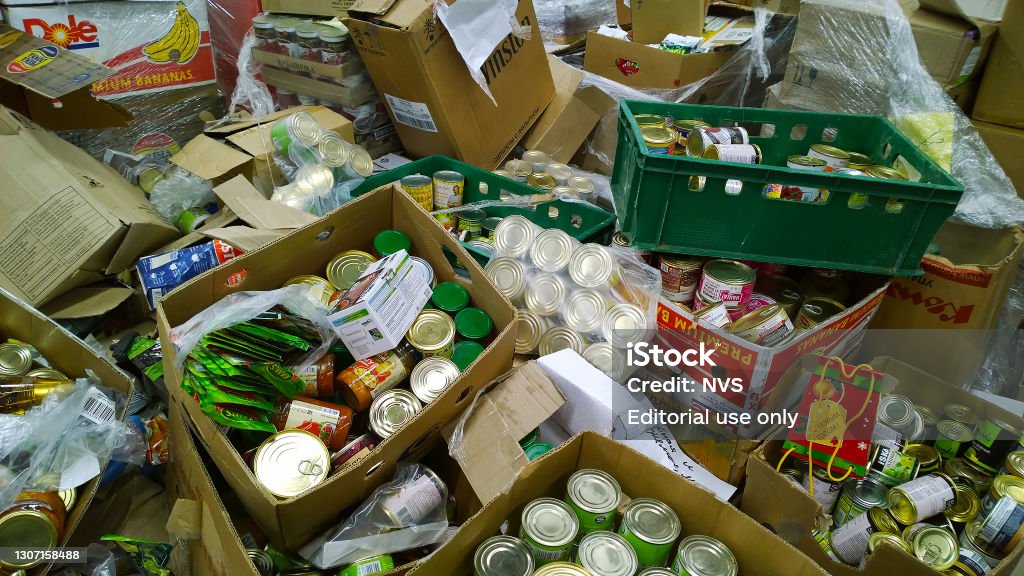
In alignment with the Surakshi Bharat Abhiyan, the goal of achieving Gross Domestic Loss Prevention (GDLP) equivalent to 1% of India’s annual GDP is a vital economic and humanitarian mission. Currently, India loses approximately ₹1.53 trillion annually due to post-harvest losses, a figure that already represents nearly 1% of the national GDP.
By fostering a culture of citizen vigil and collective initiative, this loss can be dramatically reduced through the following strategies.
1. Citizens’ Vigil. Ensuring Supply Chain Integrity
Active participation by citizens can serve as a powerful check against the systemic inefficiencies and “red tape” that contribute to food rot.
- Monitoring “Red Tape” & Approvals. Citizens can advocate for the deregulation of government processes that slow down the movement of food. For example, the current requirement of up to 98 approvals to operate certain hospitality businesses compared to just 7–20 in competitor nations highlights a bureaucratic burden that indirectly impacts food distribution efficiency.
- Whistleblowing on Wastage. Public vigil at APMC mandis (markets) and government storage depots can ensure that grain is not siphoned off to black markets or left to rot due to negligence.
- Transparent Price Discovery. Utilizing digital platforms like eNAM (Electronic National Agriculture Market) allows citizens and farmers to bypass exploitative middlemen, ensuring that produce moves through the chain based on transparent, real-time demand rather than cartels.
2. Grassroots Initiatives. Community Infrastructure
Small-scale, community-led infrastructure can bridge the “last mile” gap where much of the rot occurs.
- Community Cold Chains. Citizens and Farmer Producer Organizations (FPOs) can lead the setup of solar-powered dehydrators and micro-cold storages. For example, agritech initiatives have already saved 60,000 tonnes of produce annually by providing processing tools to women farmers.
- Food Rescue Networks. Urban citizens can organize “Food Rescue” systems using web-based apps to match surplus food from restaurants or households with local charities and shelters.
- Localized Distribution. Reducing “food miles” by supporting local farmers’ markets directly reduces the transportation time during which perishables typically spoil.
3. Active Participation. Changing Consumption Habits
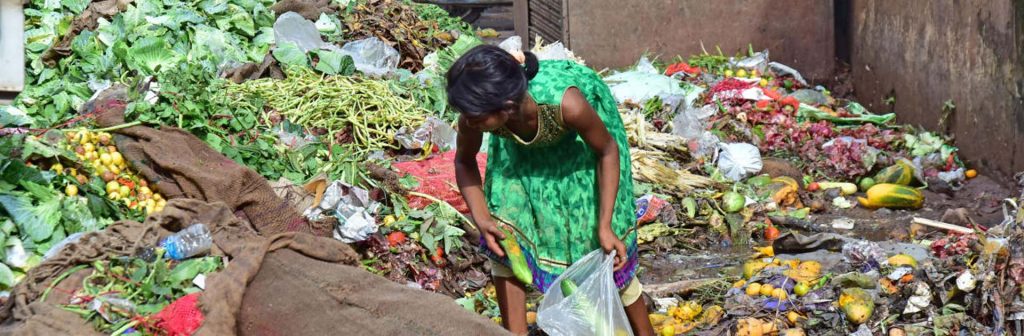
Significant food waste occurs at the retail and consumer levels, where global estimates suggest a 17% loss.
- “Ugly” Produce Advocacy. Citizens should actively buy oddly-shaped or bruised fruits and vegetables, which are often discarded by retailers despite being nutritionally identical.
- Educational Vigil. Teaching family and house-help about portion control and the difference between “best before” and “use-by” dates can prevent massive amounts of food from being thrown away prematurely.
- On-Farm Value Addition. Participating in or funding initiatives that “upcycle” surplus produce (e.g., turning excess tomatoes into sauce) ensures that even if food cannot be sold fresh, it is preserved for long-term storage.
4. Policy Advocacy for GDLP Goals
To achieve a 1% GDP impact, citizens must demand structural reforms mentioned in national discourse.
- Revisiting Land and Labor Reforms. Advocating for the completion of stalled reforms in land and agriculture can unlock the investment needed for large-scale modern storage.
- Digital Credit Flow. Supporting the removal of barriers to credit for small-scale cold chain equipment (like the “smartphone EMI” example) is essential for grassroots tech adoption.
By transforming from passive consumers into active Surakshaks (protectors) of the national food supply, citizens can bridge the gap between farm-gate production and the consumer’s plate, effectively reclaiming that 1% of GDP currently lost to rot and inefficiency.